
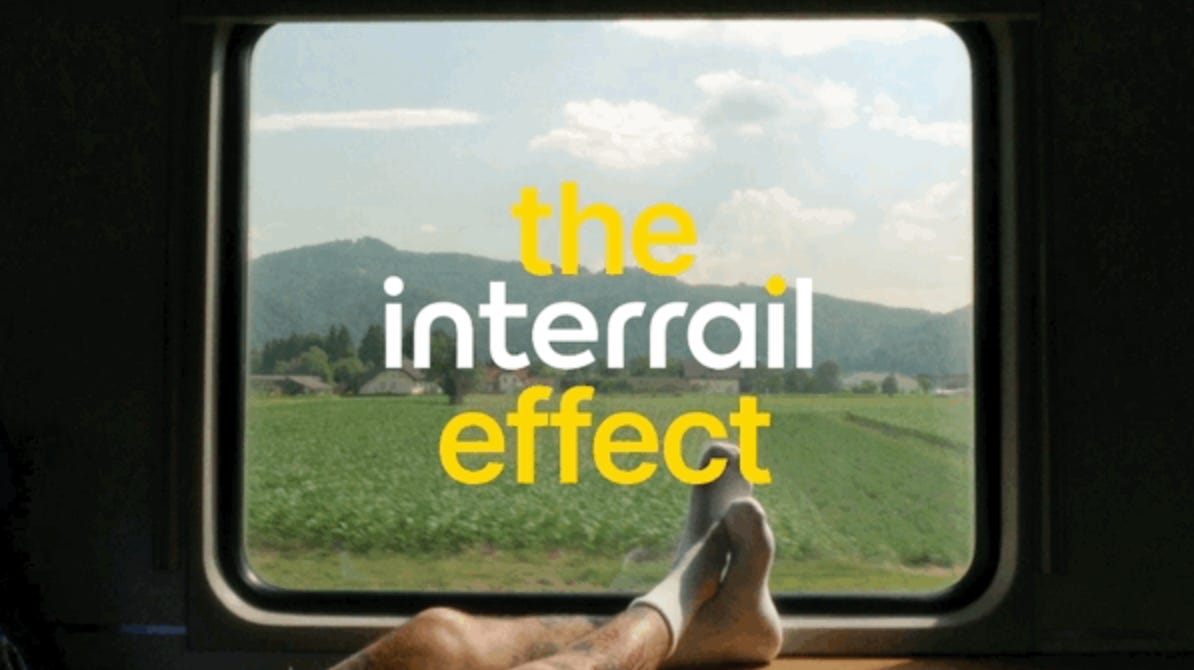
Travel advertising has a problem. Everything goes suspiciously well. The sun is out. The hotel exists. Nobody has food poisoning. Even the trains arrive on time. Which is odd, because if you ask anyone about the trips they actually remember the smooth bits rarely make the edit.
They remember the train they missed. The hostel they couldn’t find. The night spent sleeping in the luggage rack or the three hours on a platform that somehow became the best bit of the whole trip. When we spoke to Interrailers, we soon discovered these weren’t just stories that they remembered, they were often experiences that changed their perspective beyond travel.
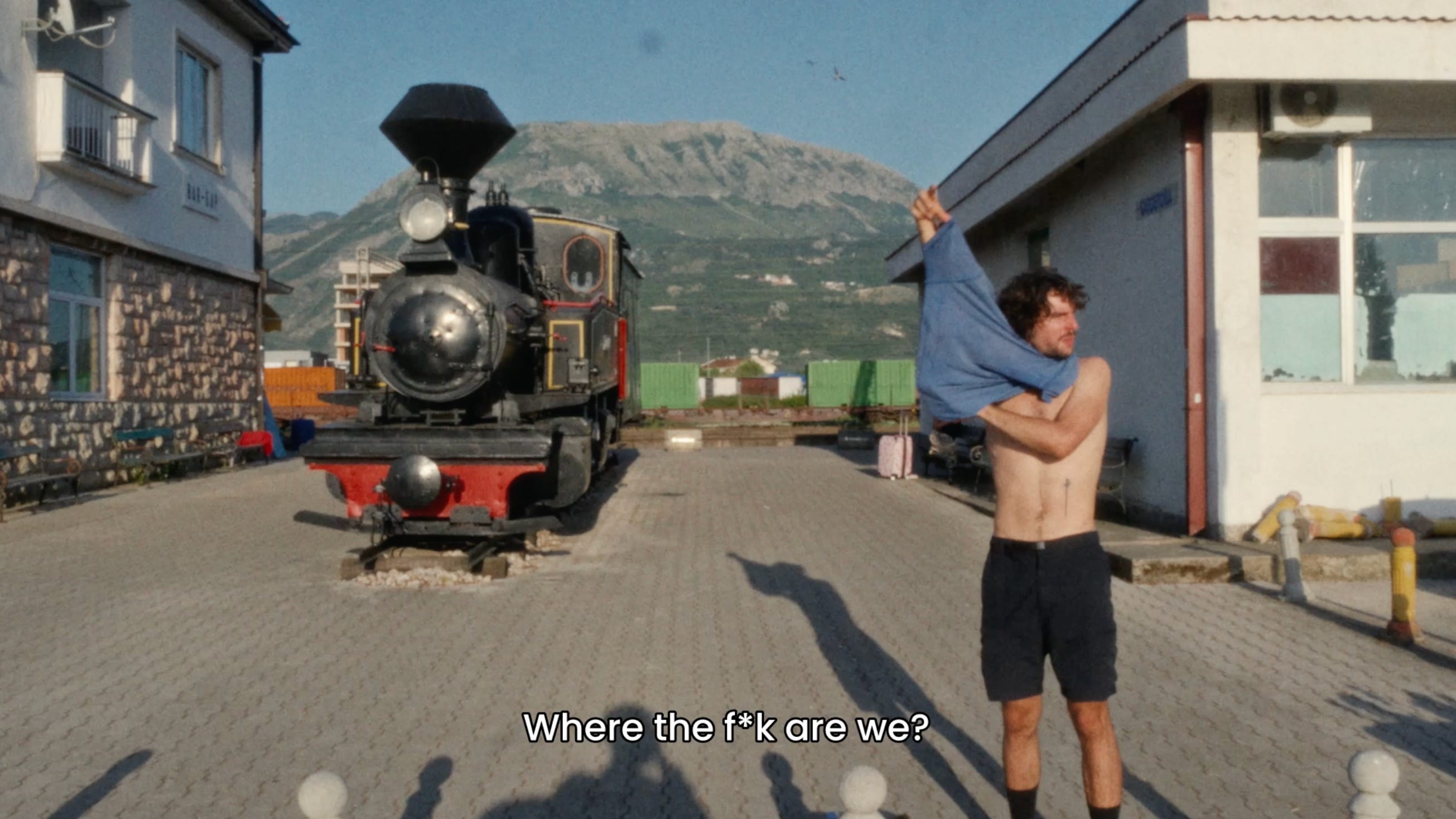
The solo traveller who got lost came back less worried about getting lost. The person who missed the connection got better at changing plans. Families talked to each other. Actually talked. To each other.
The mishaps weren’t getting in the way of the trip. They were the trip. The disaster became the anecdote. The inconvenience became the story and somewhere between the missed train and Plan C, people became a little more confident, spontaneous and comfortable with the fact that things occasionally go gloriously wrong.
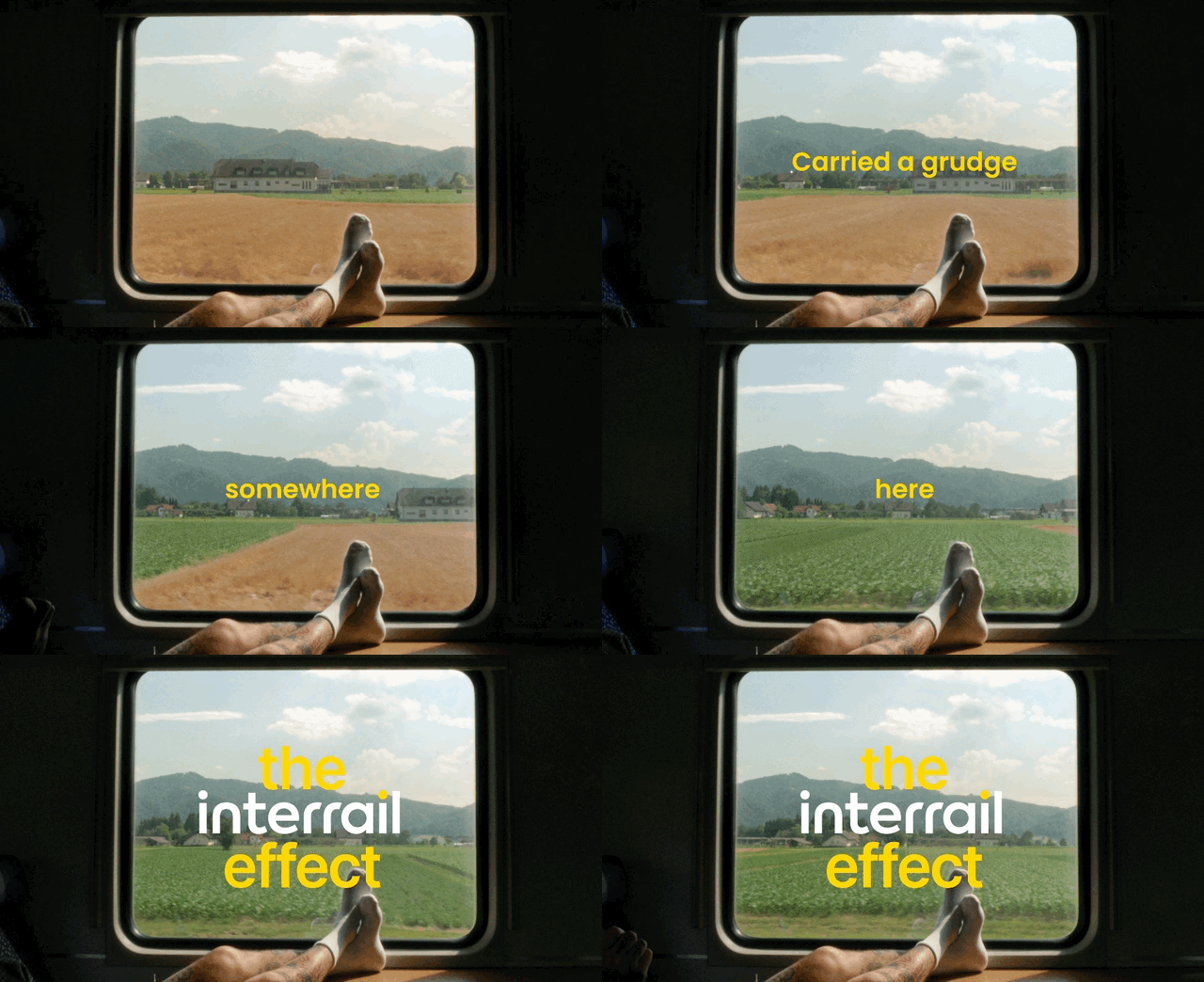
We called it positive friction: the small difficulties that do the heavy lifting on a holiday. It sits at the centre of The Interrail Effect, the new brand platform, which celebrates not just where Interrail takes you, but what happens to you on the way.
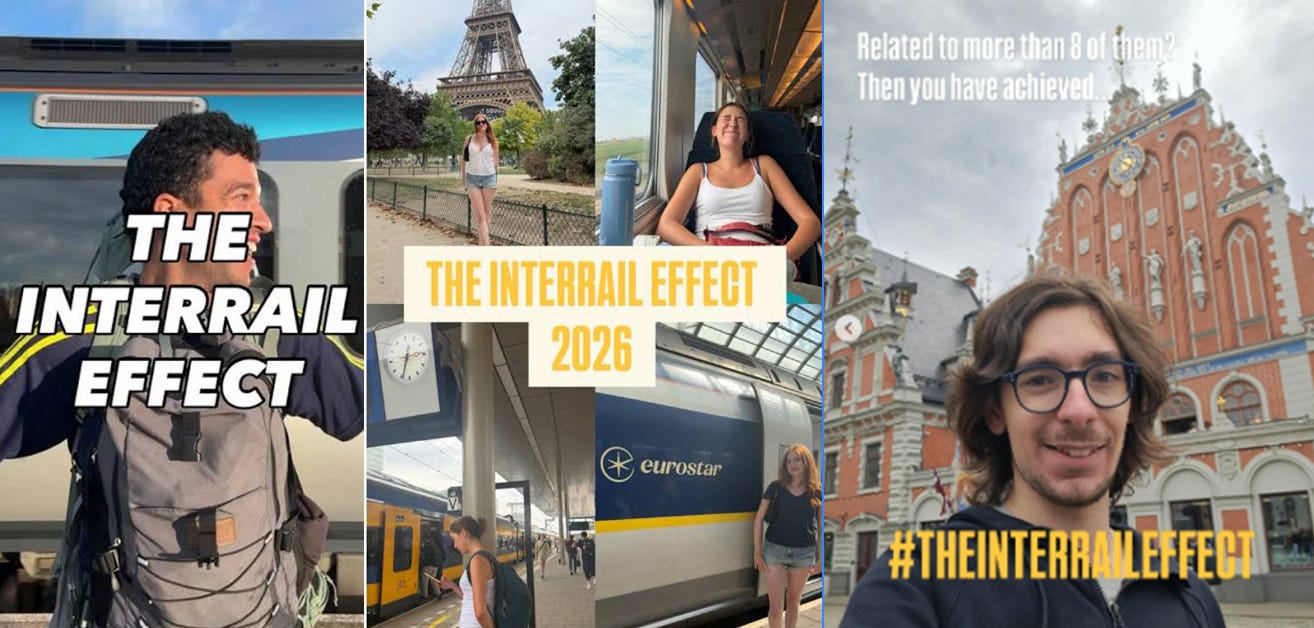
If unpredictability was part of the experience, it had to be part of the work too. Rather than recreate journeys with actors, we built the campaign around people actually living it. We sent 30 creators across Europe. Different ages. Different backgrounds. Solo travellers, groups and families. First-timers and seasoned Interrailers. The brief was simple: document everything: the good, the bad and the gloriously unplanned.
What came back was part travel diary, part social feed, and adventures even Enid Blyton would be proud of. We called it The Interrail Diaries
The creators posted as they travelled, making The Interrail Effect visible in real time: missed connections, spontaneous detours, small disasters and the occasional moment of accidental enlightenment
When they returned, we took the mountain of footage and turned it into films, social stories, outdoor and all the other things campaigns eventually have to become. Internally we called this approach ‘Brand Social’. Rather than make one pristine piece of advertising and then cut it into progressively smaller shapes we start with one organising idea designed to live through people, behaviour and stories. Social as the engine, rather than the resizing department.
We quickly discovered we needed something to hold all these very different stories together. Enter Funiculì, Funiculà, a song written in 1880 to celebrate the opening of the railway up Mount Vesuvius, an opera to get people excited about rail travel 146 years ago. We rerecorded it in different styles for different journeys: bigger arrangements for celebration, more intimate versions for reflective moments. One melody. Many journeys. An earworm with a railcard.
For outdoor, we applied the same logic. Rather than map stations, we mapped stories: the emotional route through the trip, not simply the geographical one.
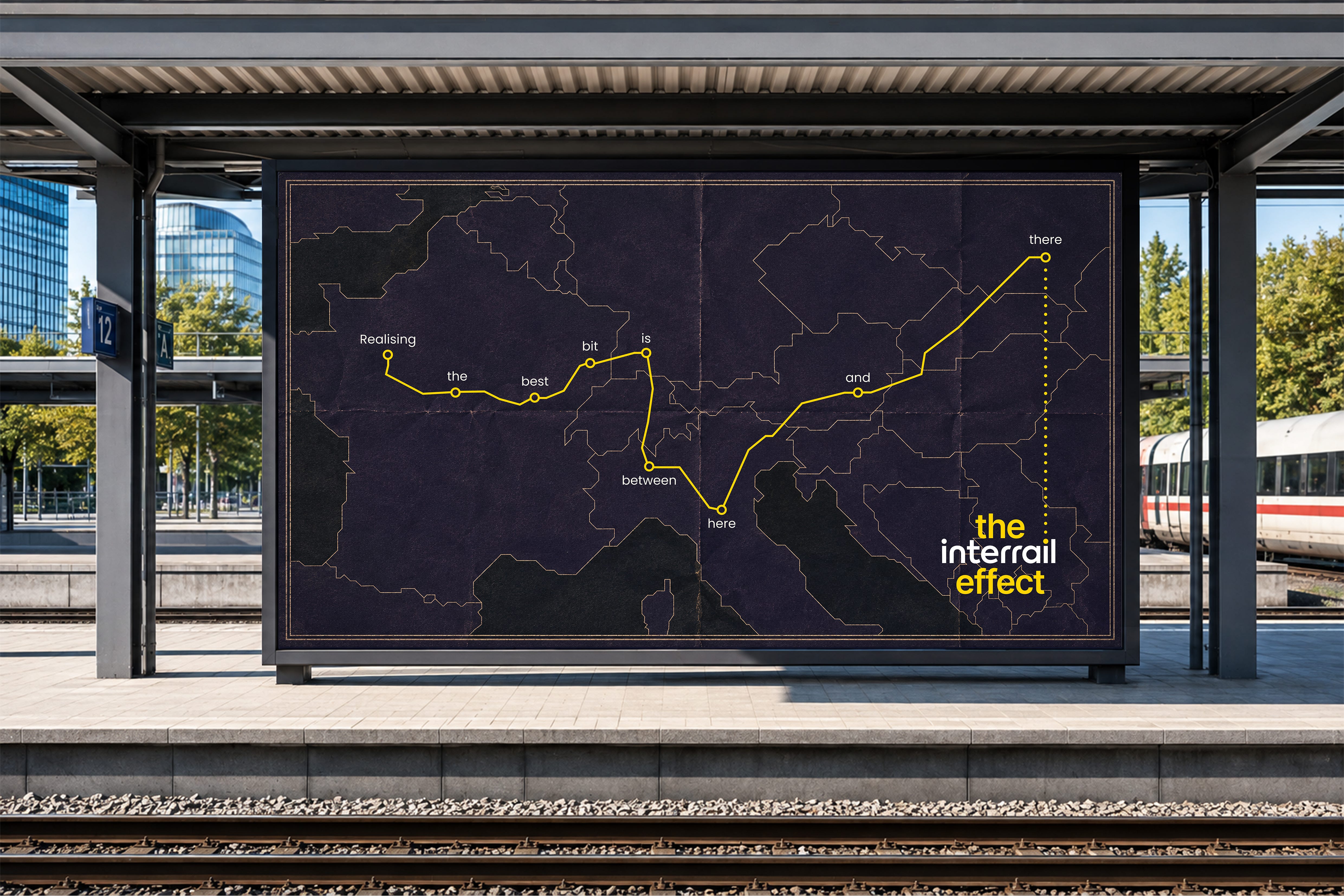
Perfect trips make postcards. The unplanned bits make people. Nobody ever reminisces about what happened at Gate 47, but everyone remembers the train they missed, the stranger they met and the place they never meant to end up. Interrail gets you across Europe, the interesting bit is what happens on the way.