
There are many noble origins for art. Rage. Love. Politics. Trauma. And then there is this: boredom, a blank wall, and the FIFA World Cup.
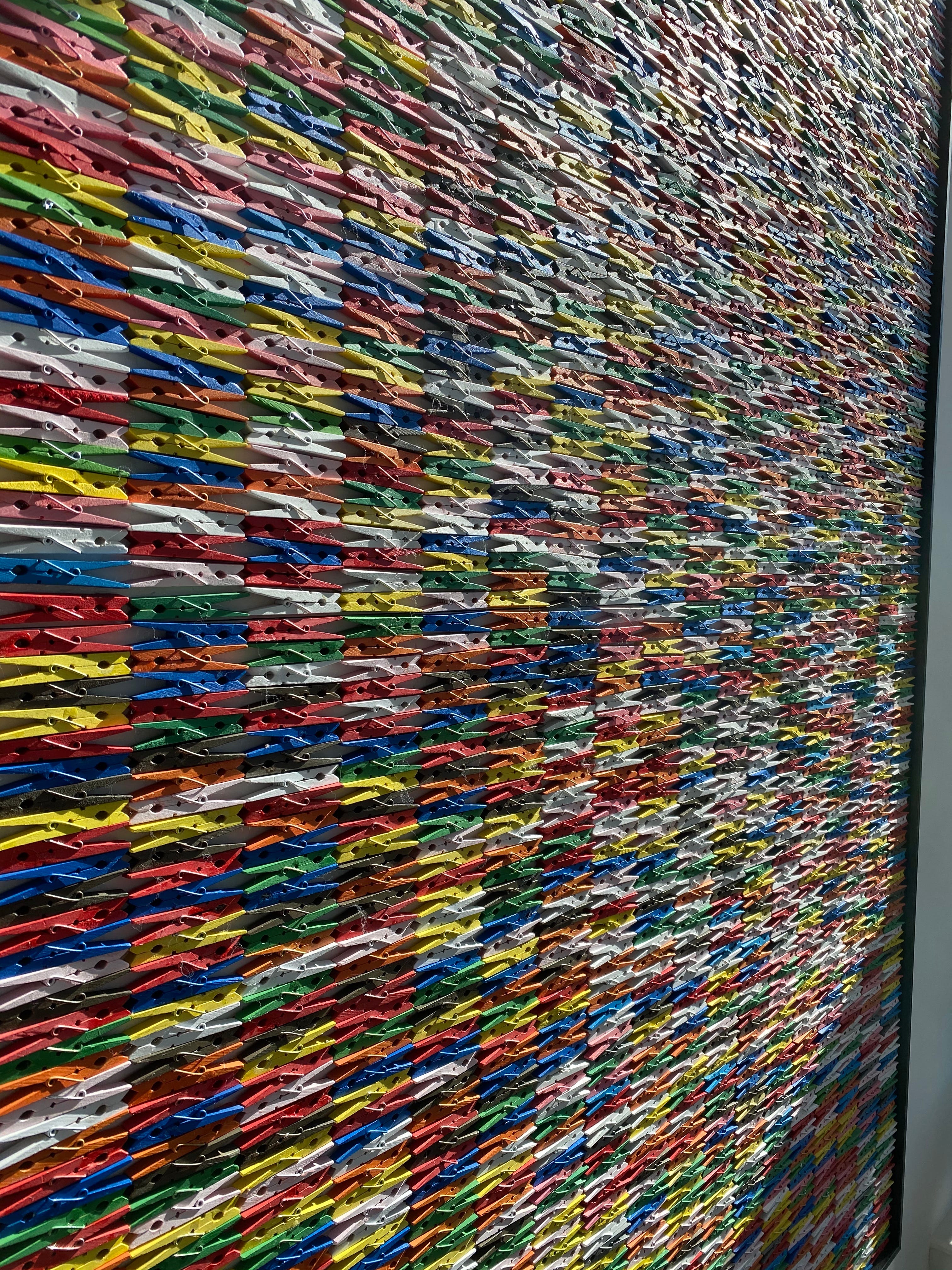
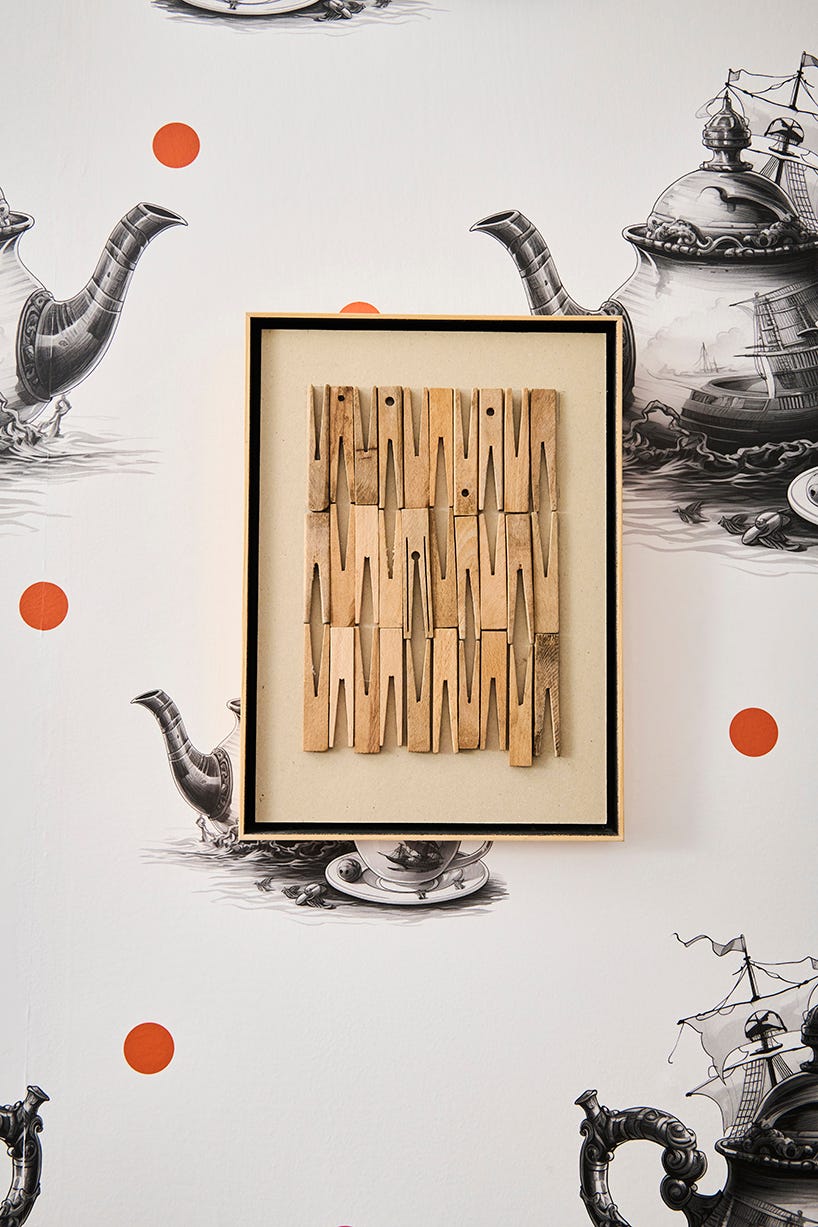
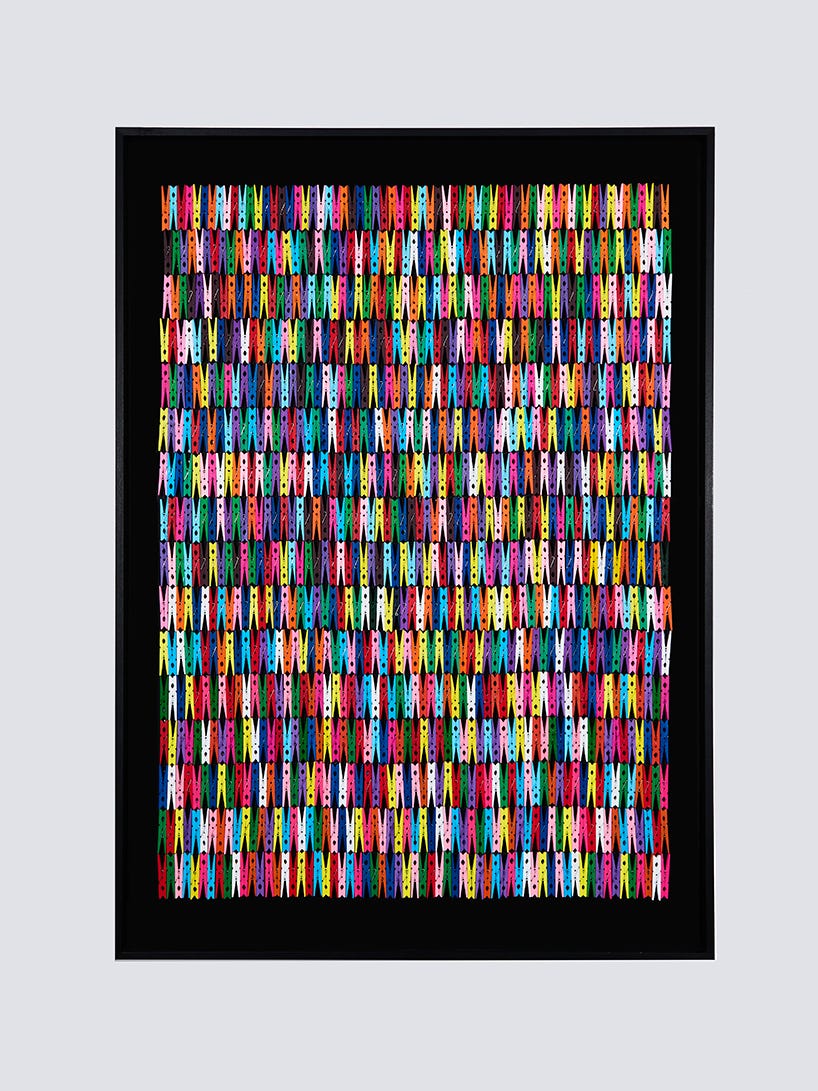
I’d just moved into a new place. The walls were aggressively empty. The World Cup was on, which meant hours of men jogging earnestly while commentators talked about “wanting it more”. To drown out the drone I decided to mark every goal with a wooden clothes peg. Different colours for goals, free kicks, penalties, fouls, passes. By the end of the tournament I had over 3,000 pegs hanging on my wall. It looked like a deranged data visualisation, or a spreadsheet having a breakdown. It was oddly beautiful. It was also doing a very important job: stopping me staring into the existential void that is a freshly painted wall.
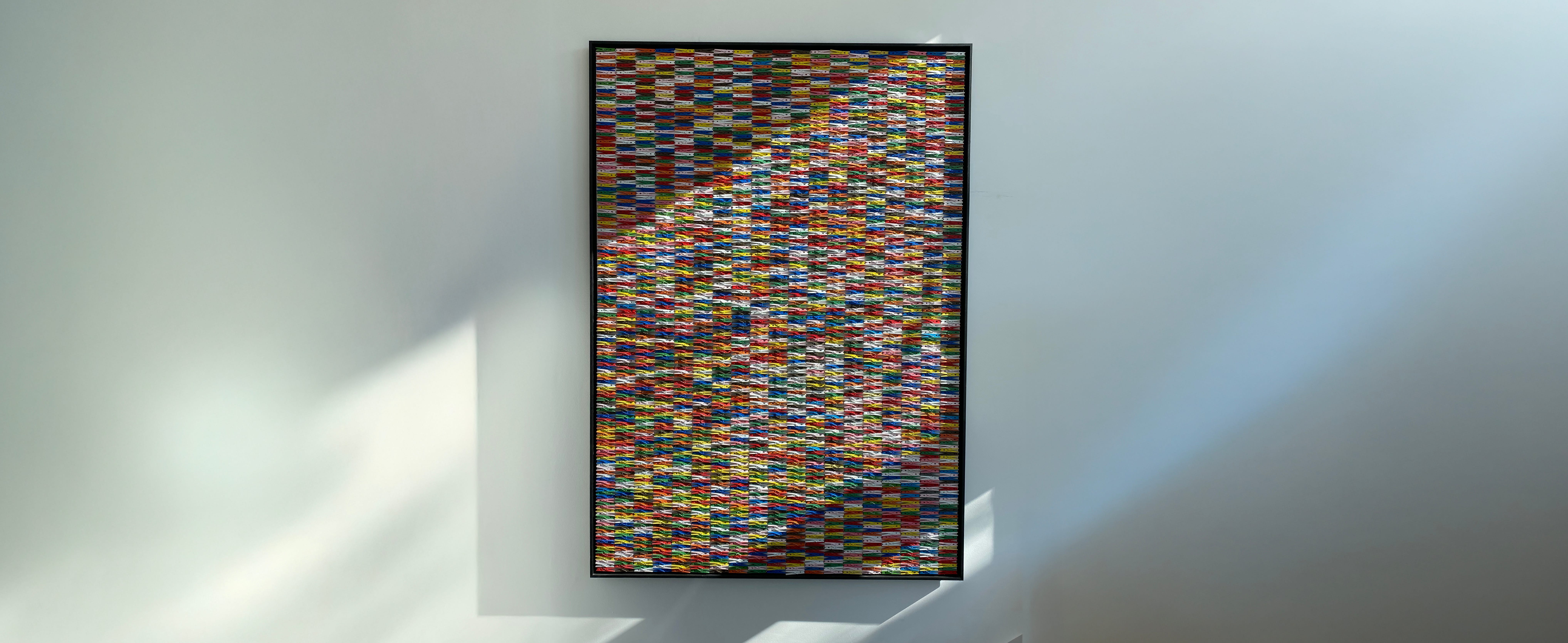
The World Cup of Pegs
That could have been the end of it. A nice little anecdote and a blank wall now filled but unfortunately I had already made a deal with some people in China who had sent me 10,000 pegs. Which meant I had 7,000 left and no football.
This is where it stopped being a project and became a problem.
With no matches to anchor the logic, I just kept going. Peg after peg after peg. It was strangely meditative. I’d log off from the grind and log into a rhythm that required no strategy, no deck, no sign-off. Just wood, wire and repetition. The pegs went fast. Too fast. Soon I was back on to my Chinese peg dealer, because the first hit is never the last. I would take anything. Big pegs, little pegs. Micro pegs, mega pegs.
And they delivered. Oh, they delivered.
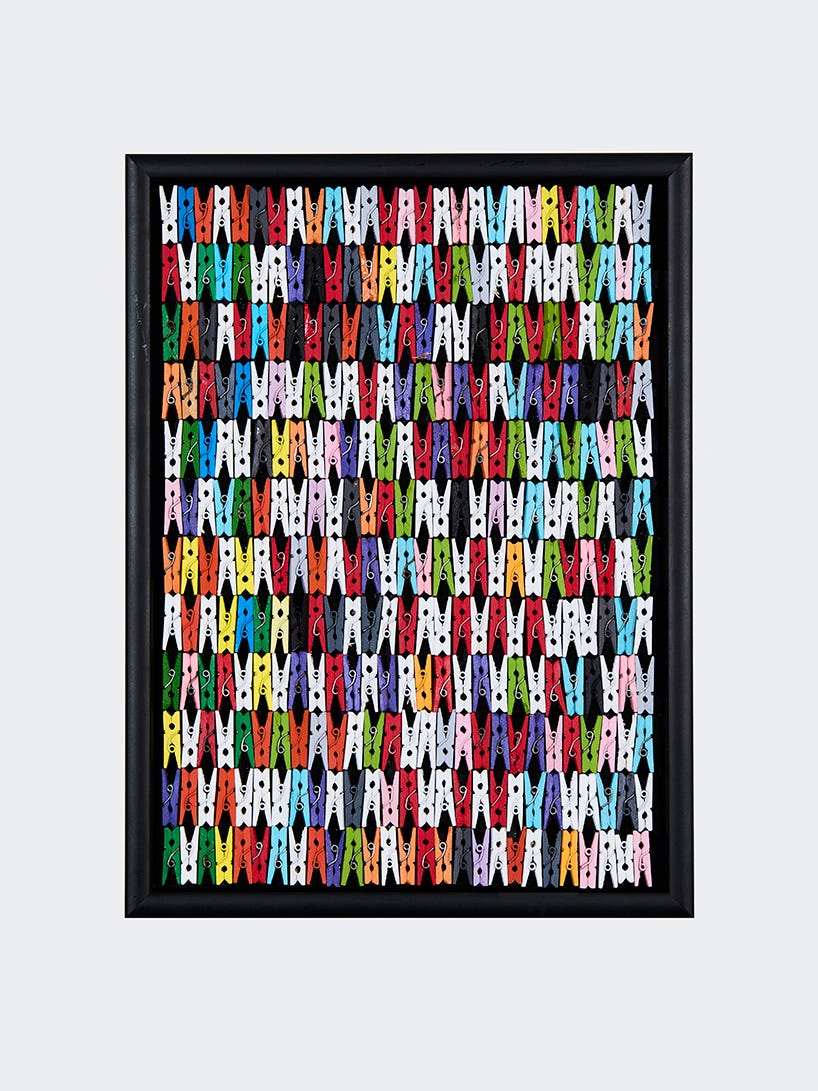
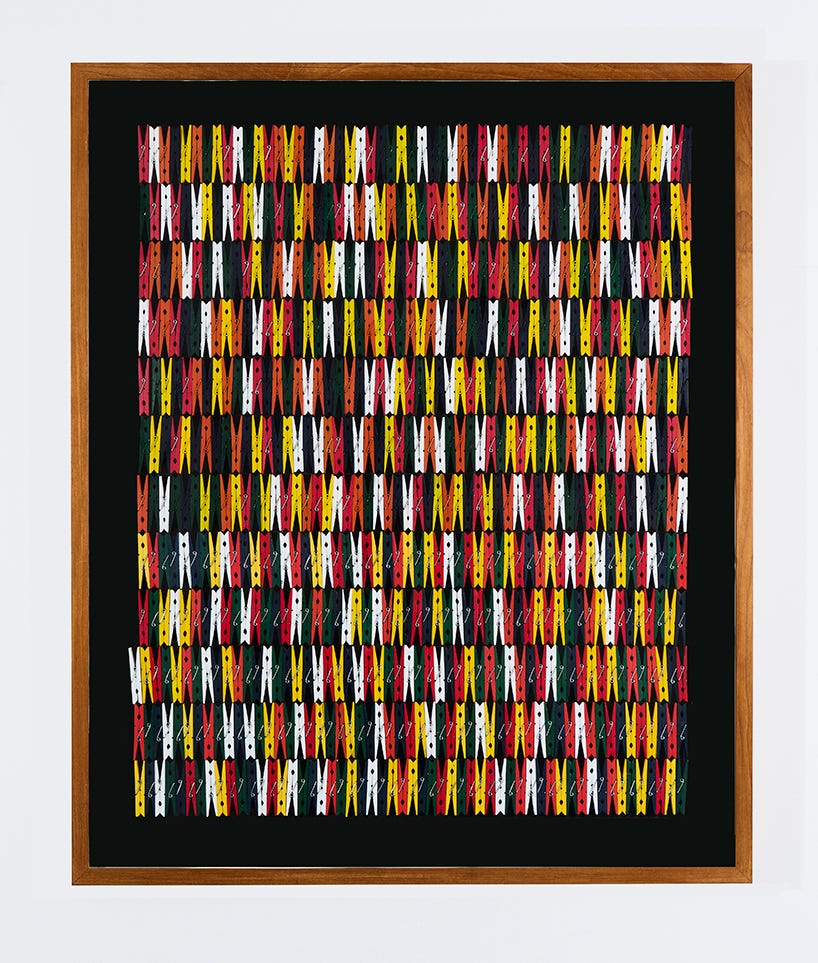
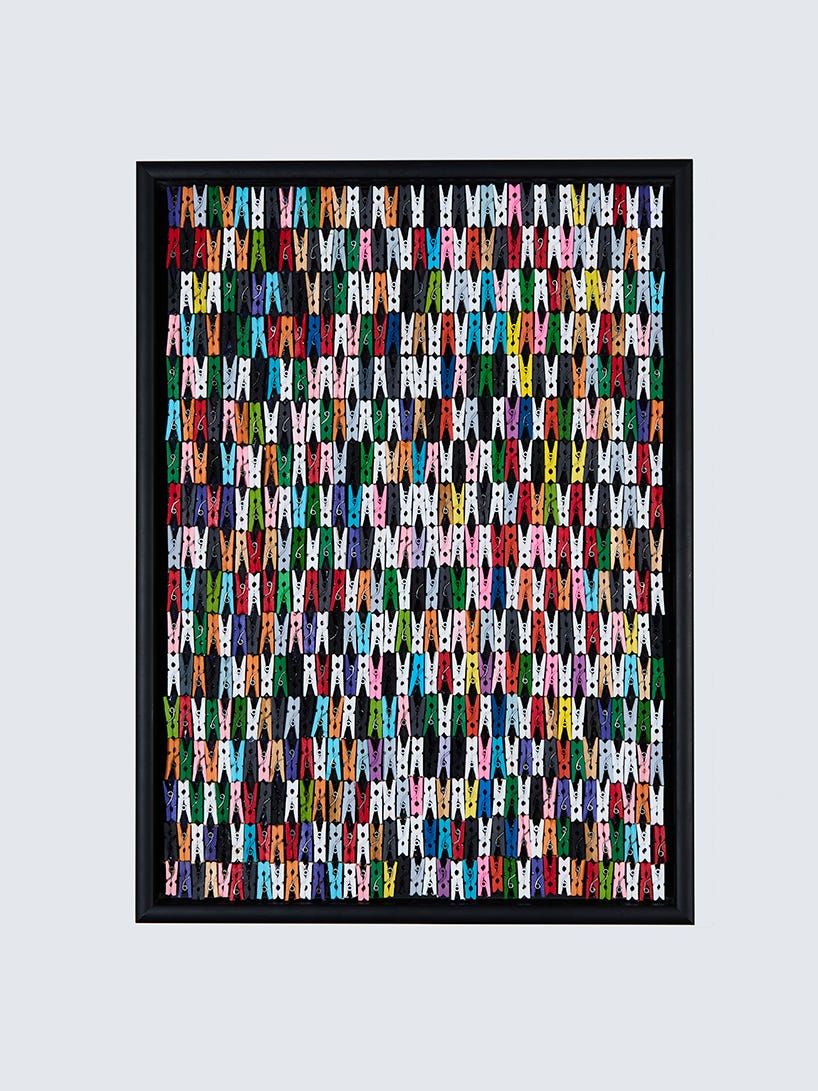
I started making peg portraits at an alarming rate. Patterns emerging from nothing but laundry hardware; and then the inevitable, slightly uncomfortable question arrived: why?
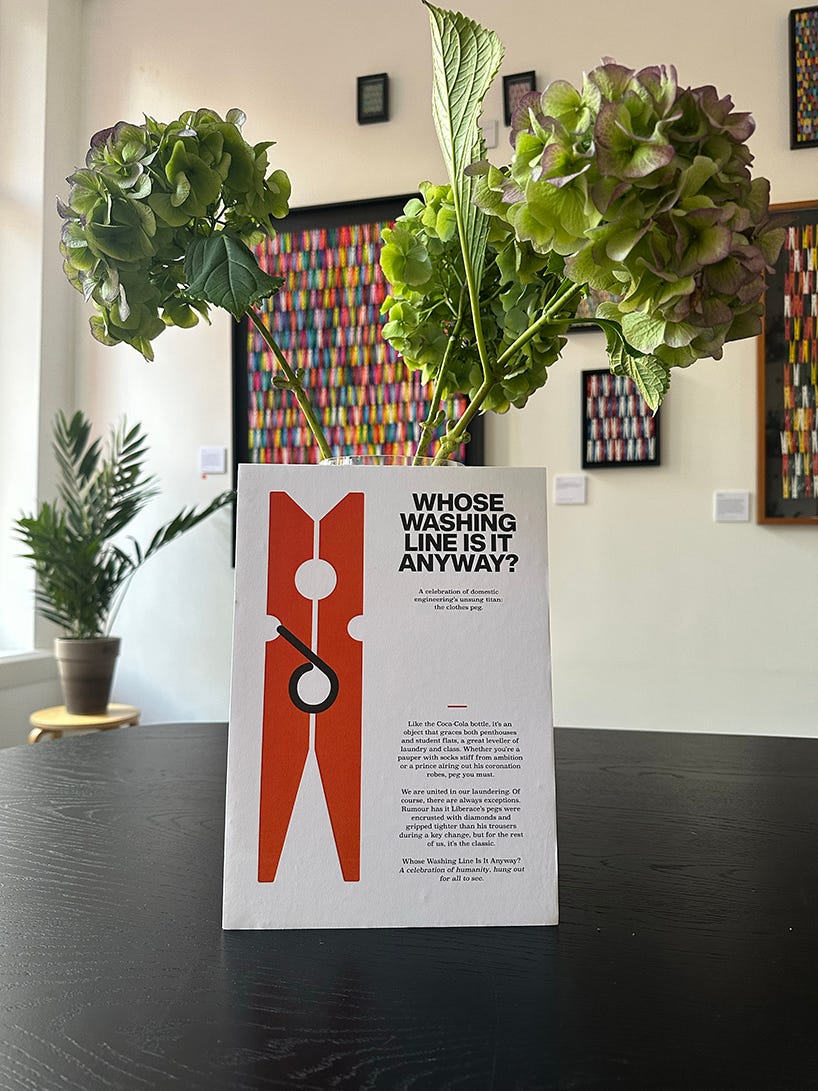
The answer came from the peg itself. The clothes peg is a perfect object. Brutally democratic. Prince or pauper, everyone has dirty socks. At some point, we all stand in mild resignation, hanging our washing on a line with the same classic design - largely unchanged since patented in 1853. It’s the Coca-Cola bottle of domestic life.
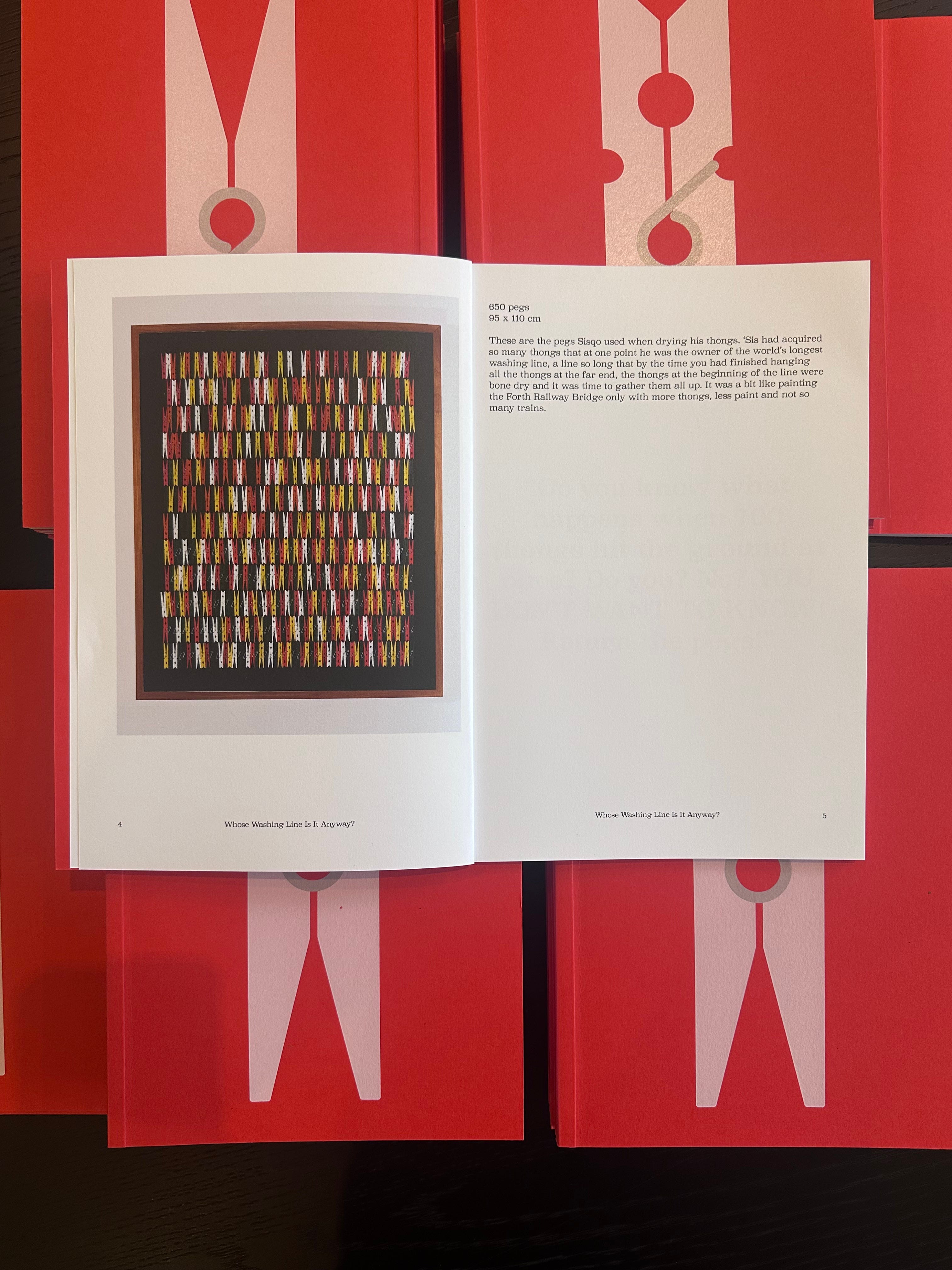
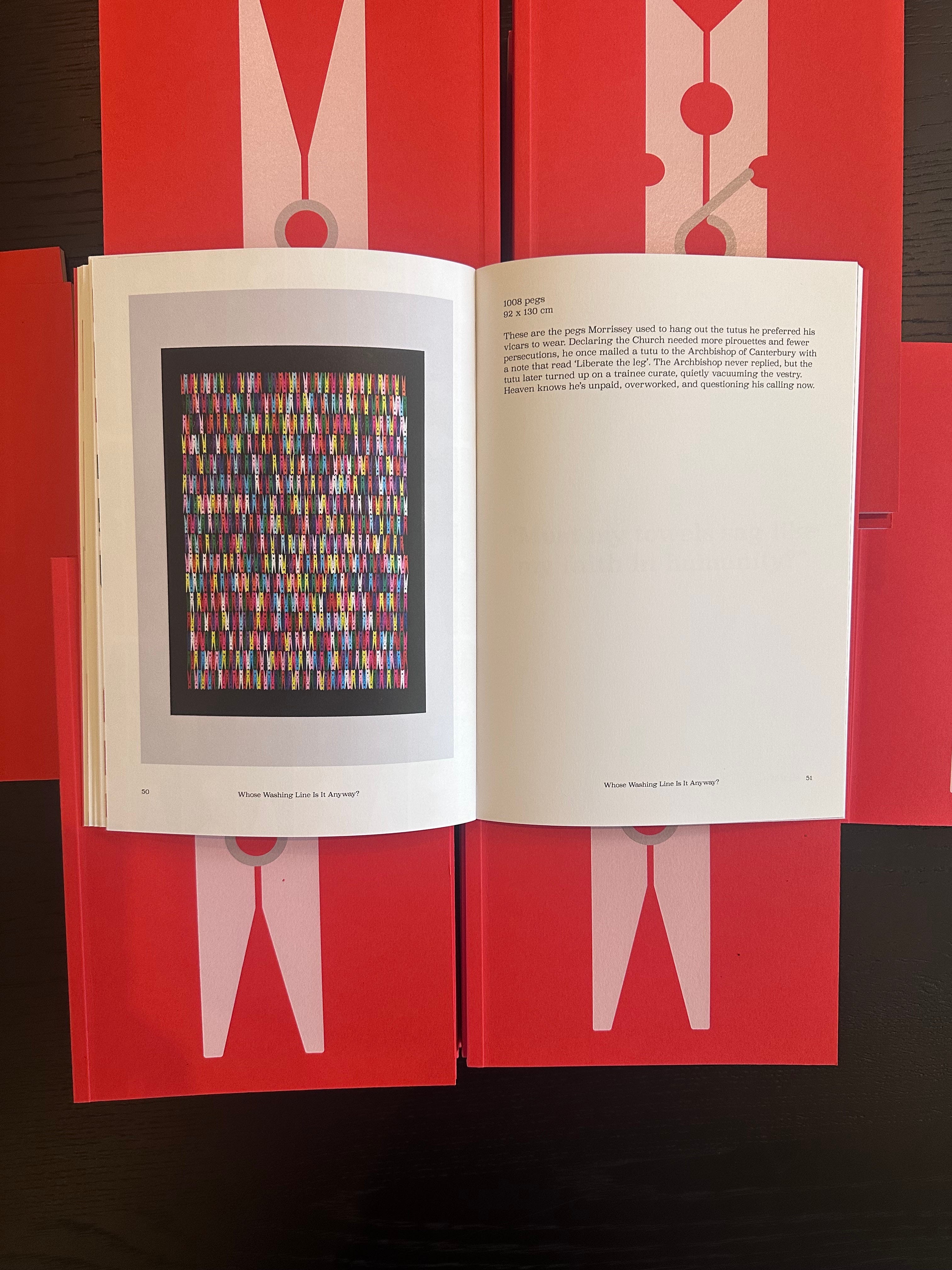
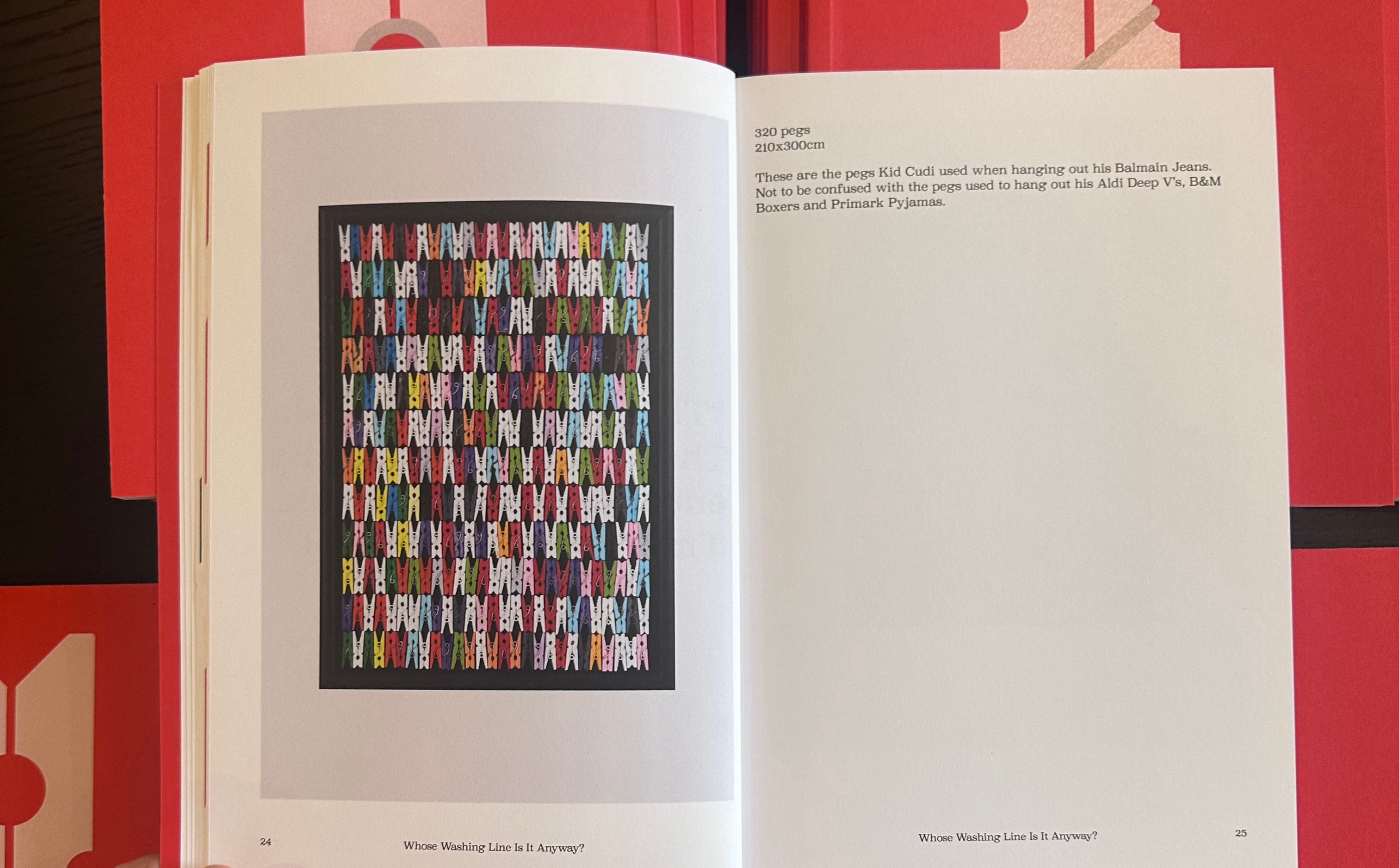
So, what if these pegs belonged to the rich and famous? Clothes pegs of the Rich & Famous if you will or Celebrity Pegging - stop it. The idea was simple. Each collection of pegs represents a celebrity’s laundering, complete with a semi-plausible story about why they needed to clean something in the first place. Laundry as gossip. Pegs as mythology. It became a commentary on our endless appetite for anything celebrity. How far can you push that fascination before it collapses into absurdity? And if it does, does anyone really mind?
Suddenly there was a theme. A repeatable idea with room to play. The same framework, endlessly adaptable. Local references. Cultural in-jokes. Stories only die-hard fans would spot, sitting happily next to ones anyone could enjoy. Freedom within a framework - the holy grail of creativity, whether you’re making art or ads.
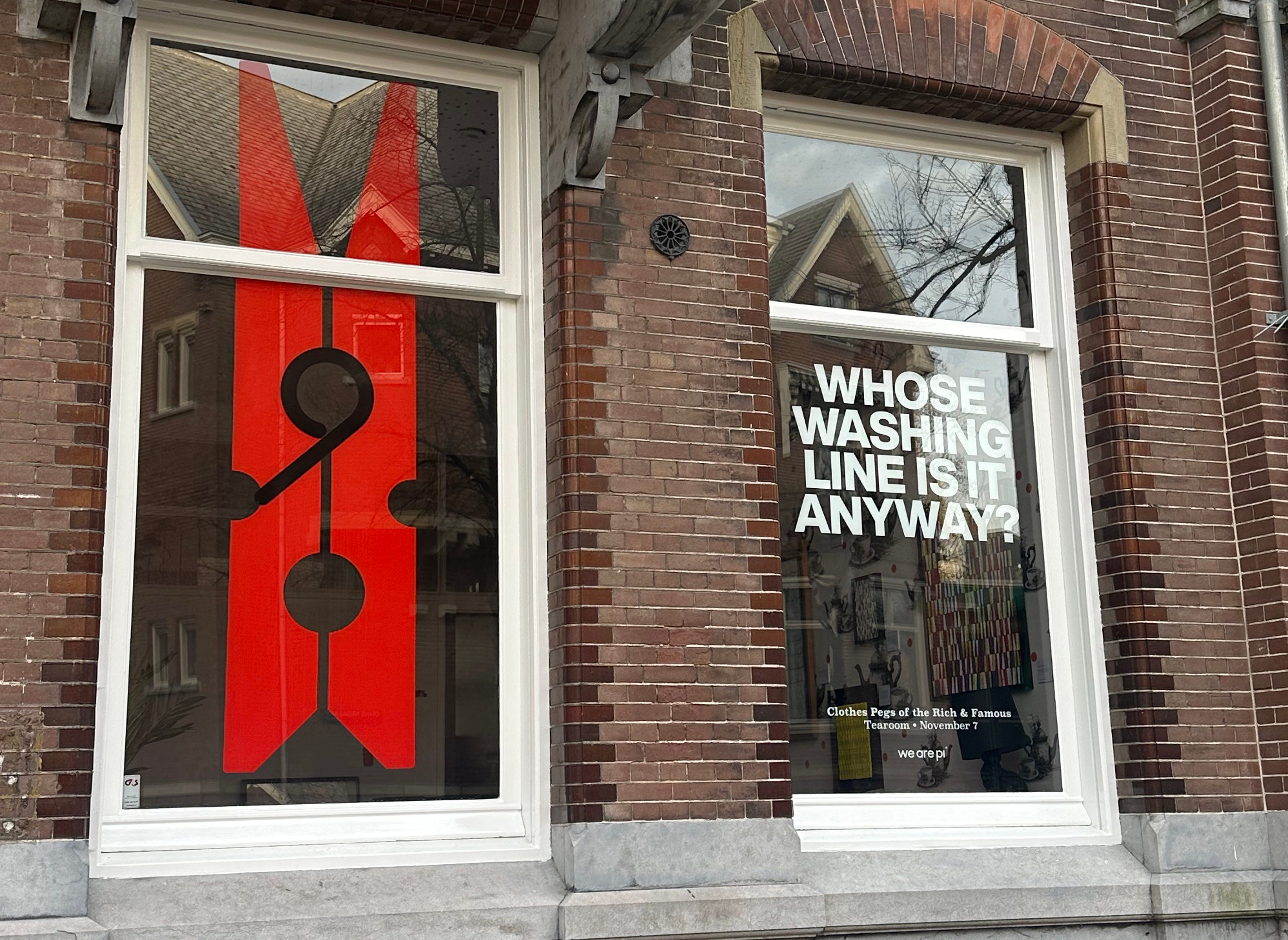
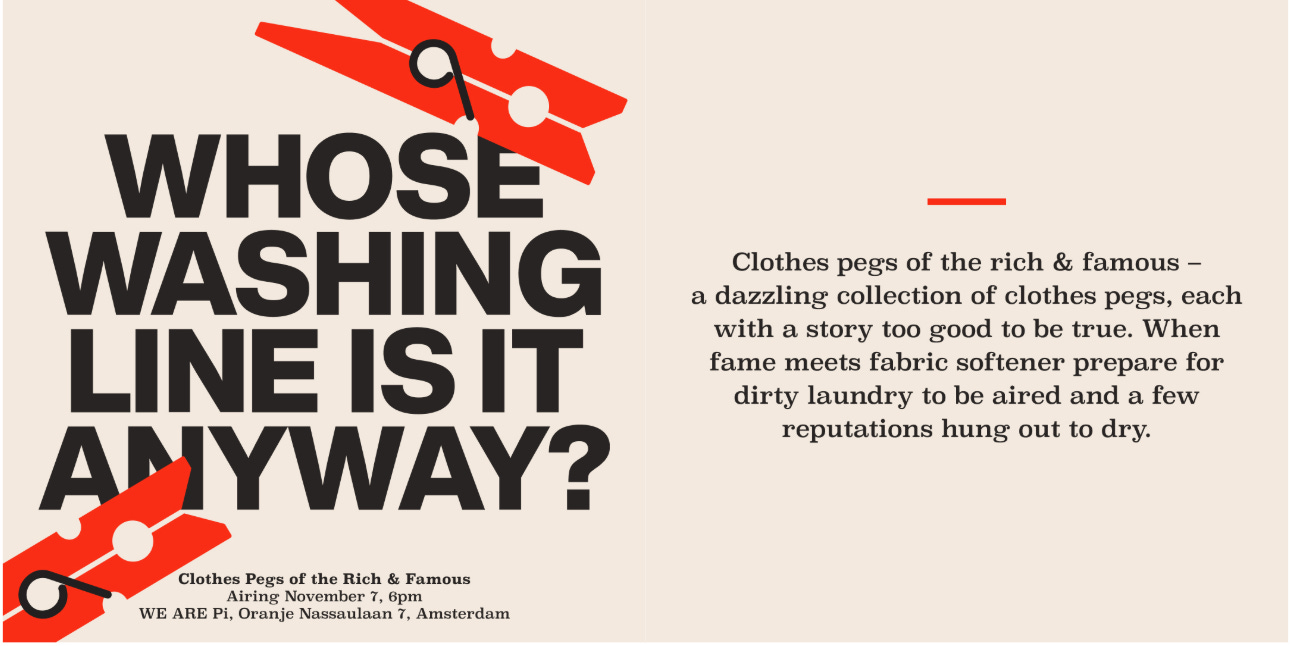
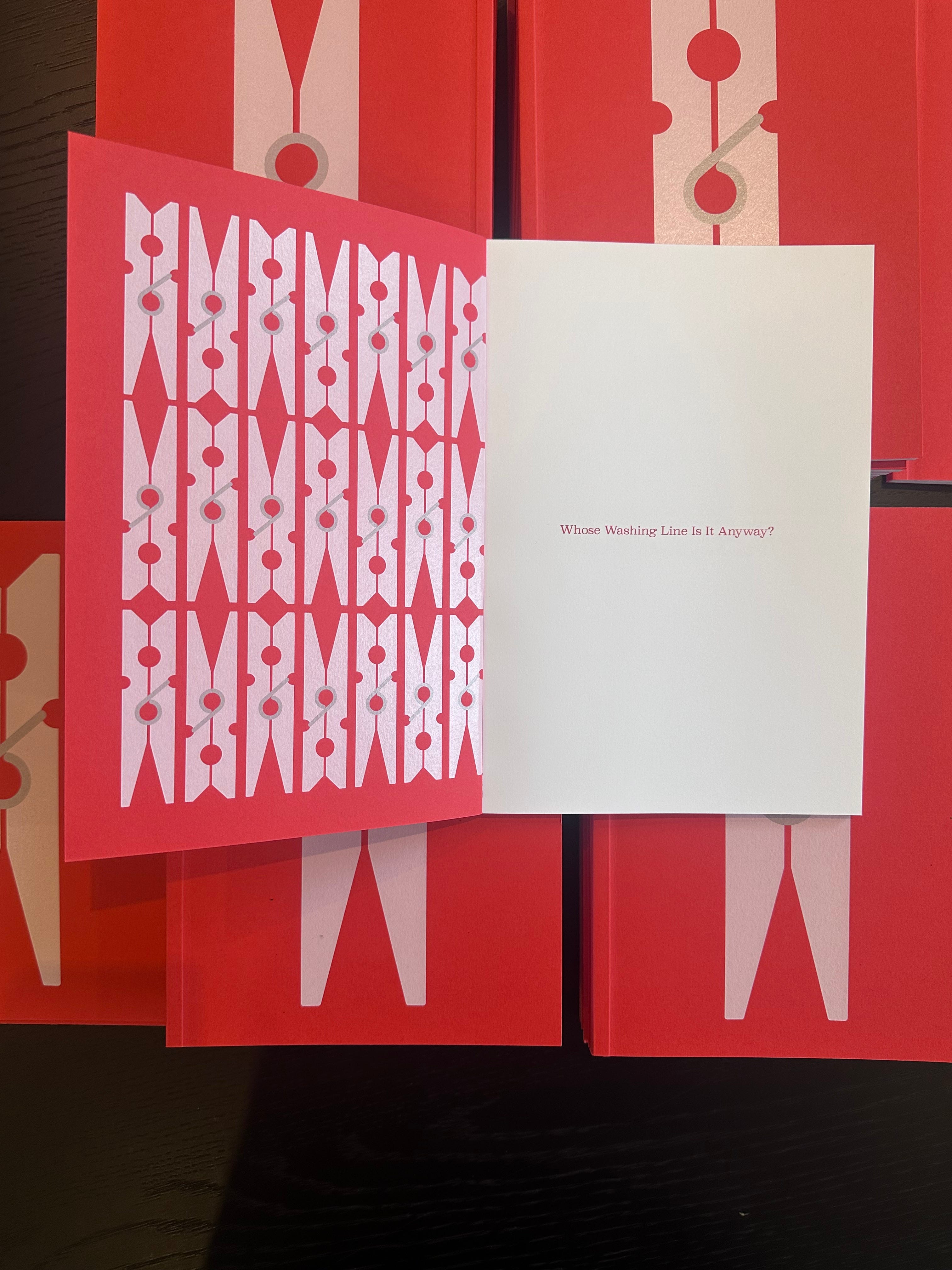
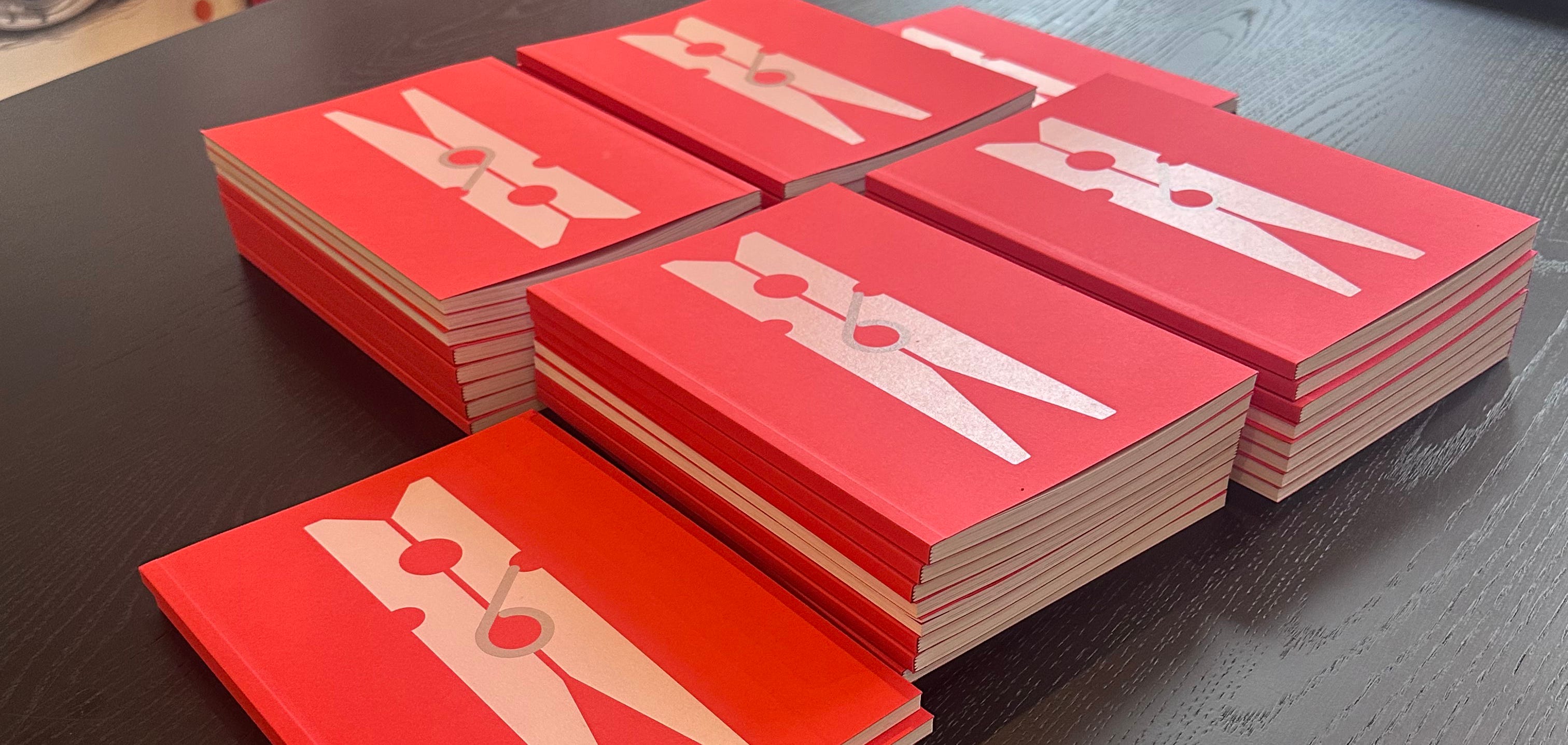
And that’s how I accidentally ended up with an exhibition: “Whose Washing Line Is It Anyway? People came. Real people. They bought frames. Actual money changed hands. Eventually, it became a book, a physical record of an idea that began as nothing more than boredom and a refusal to leave a wall empty.
So what’s the point of all this, beyond a house permanently short of laundry equipment? It’s this: Creativity doesn’t always start with the ‘Big Idea’. We’re obsessed with starting at the summit, with the polished manifesto, and the huge launch idea. But sometimes the smartest thing you can do is start small and see what forms. Keep showing up, again and again and again until the work starts talking back. Sometimes the work doesn’t follow the idea, the idea follows the work and ‘The Big Idea’ is just the story you tell later to make it sound intentional.
Love it.