

We recently lost a pitch. Fine. It happens. Builds character. What was interesting, though, was the brief. A simple request with a deceptively simple ambition: make the brand feel British. Properly British.
Which raised a question: what is Britishness?
It’s not tea or red buses and it’s definitely not Union Jacks. Britishness, we suggested, is tonal. It lives in understatement, irreverence and the instinct to take something sincere and immediately undermine it.
That instinct was on full display in the response to America’s all-female celebrity space jaunt featuring Katy Perry and Lauren Sánchez. An all-American moment of sincerity. Big feelings, themes of human progress and history being made. The British response? Take the piss.
Greg James, a radio DJ, asked which celebrities Britain should send into space. Within hours, his listeners had assembled the perfect crew of inappropriate familiar faces. Better still, the nominated celebrities immediately joined in. Nobody asked for a deck. Nobody needed a briefing document. There was no stakeholder alignment session. They understood the assignment: this was stupid, therefore it mattered.
We then witnessed cross-channel integrated comms planning happening in real time. Rival broadcasters promoted the joke, audiences created their own portrait of Britain’s new space pioneers, celebrities amplified it and then, Britain’s favourite billionaire Richard Branson appeared and offered up a spaceship.

Air Force Hun
When the great British public were asked to name a multimillion-pound scientific research vessel, the great British Creative Department immediately chose Boaty McBoatface. When Britain hosted the Olympics, it pushed the Queen out of an aeroplane and when The X Factor assumed it owned the Christmas number one, the public bought Rage Against the Machine instead, turning a national festive tradition into an elaborate practical joke on Simon Cowell.
This ‘instinct to extract’ only works if the audience recognises the codes. Harvey Nichols’ multiple Grand Prix-winning campaign ‘Sorry, I Spent It on Myself’ was deemed rude by many international jurors. The joke didn’t travel. It took some explaining that, for a British audience, ‘selfishness’ was the insight, and a positive one at that.
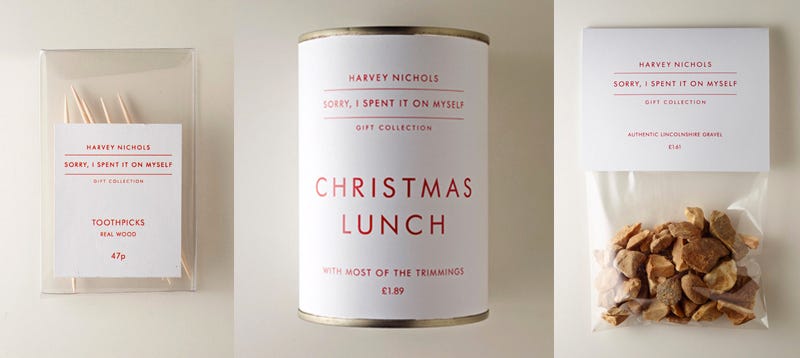
That’s the difficulty with Britishness. The symbols travel easily; the tone is harder to get through customs, not because Britishness can’t travel, but because the joke sometimes arrives without the instructions.
So what are the instructions? Don’t reach for the bulldog, the kettle or, if it’s football, the inevitable greasy spoon. Reach for understatement, irreverence and the raised eyebrow instead. Puncture the pomp, resist taking yourself too seriously and if you spot a moment of sincerity look for the joke in it.
It’s Specsavers turning poor eyesight into public humiliation. Marmite being confident enough to ridicule itself. Yorkshire Tea making bluntness feel like a benefit. When a brief demands Britishness, talk less about what it looks like and more about how it behaves. Less pageantry, more puncture and, when in doubt, take the piss.
First published in Creative Review